
TMJ Treatment & Headache Relief
TMJ stands for temporomandibular joint, which is the joint that moves the lower jaw.
Problems with the TMJ may also be called TMD–the “d” stands for Dysfunction. Dr. Rainey has had extensive training over the years in facial pain and TMD treatment. Dr. Rainey personally designs and fabricates all of our patient's appliances for TMJ dysfunction, and does not delegate this to a lab technician. Facial pain and TMJ issues are usually complex disorders that require 3D imaging and thorough examination to develop individualized therapies for each patient.
Our TMD Facial Pain Treatment Philosophy
Dr. Rainey has suffered from TMJ disorder himself, so he’s experienced TMJ from both sides of the office chair–and he also knows that it can and will get better if properly treated. There is not a one-size-fits-all TMJ treatment for pain–every individual is different. Most TMD patients will start with a custom-designed oral appliance in order to properly align the jaw joints and muscles. Since every patient has different needs, the treatment can vary depending on what issues need to be corrected.
You don’t have to live with this pain—and it can cause long-term damage to the TMJ joint, and teeth, and cause headaches. Dr. Rainey can usually treat these conditions with an oral appliance or other noninvasive treatments.

TMJ Symptoms
The TMJ is the joint that allows the lower jaw to move and open. TMJ symptoms or pain can occur when the functioning of this joint becomes strained. This can damage the alignment of the jaw joints and cause inflammation in the surrounding muscles and counterbalancing muscles if not treated.
Common symptoms of TMJ dysfunction:
- Joint/Jaw pain
- Earaches
- Headaches
- Popping/clicking of the jaw joint
- Neck/shoulder pain
- Toothaches
TMJ Splint Therapy
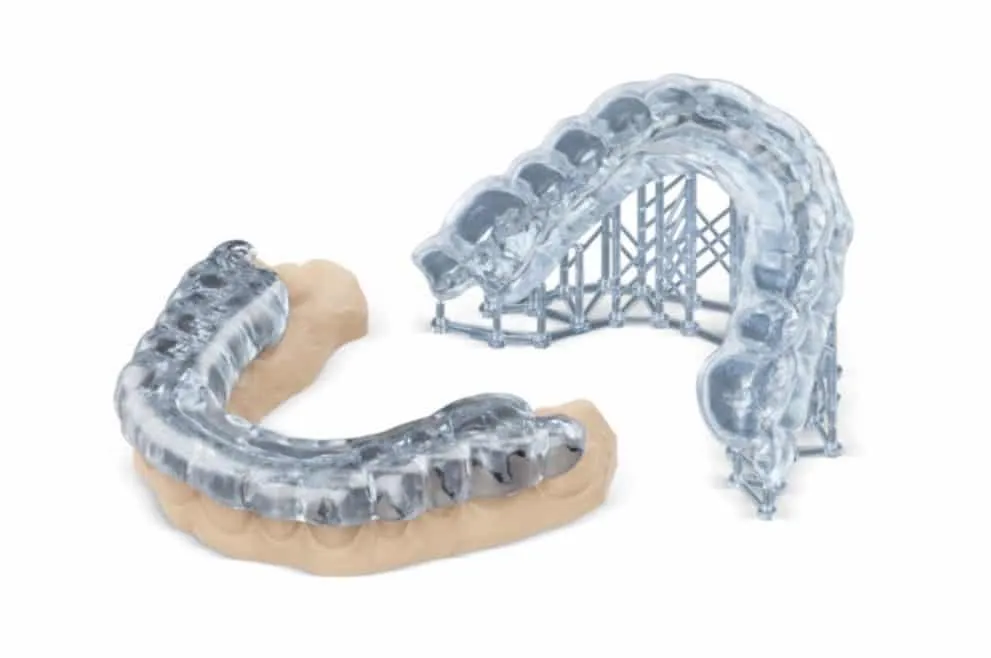
Rather than nightguards, Comprehensive Family Dental uses bite splints. This is because we are trying to reposition the jaw joint up into its proper anatomical position in the socket, which is the most restful position for the joint and teeth. Store-bought guards tend to be uncomfortable and wear out quickly; may help for a while and then not help at all; or cause wearers to clench their teeth even more due to their soft plastic construction. We make bite splints in the office with digital design software and our 3D printer. They are customized to each patient.
Cold Laser TMJ Pain and Inflammation Treatment
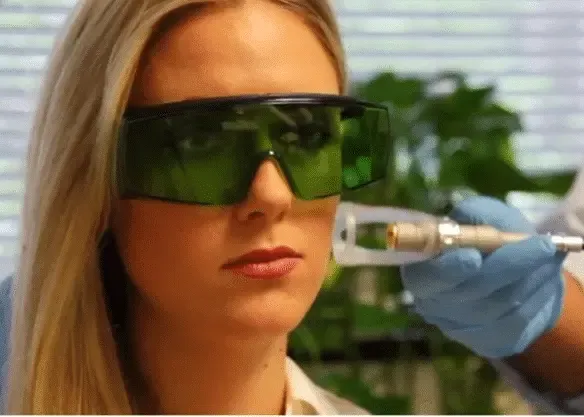
Cold Laser TMJ therapy has the capability to alleviate acute TMJ pain. It also accelerates the healing process of the ligaments and other tissues in the TMJ by improving mitochondrial function and lymph drainage.
The cold laser does not cut or burn and is not painful to use—in fact, it typically stops the pain but also reduces craniofacial pain and inflammation. We can use it not only on the TMJ, but any and all associated muscles that are painfully involved with the TMJ symptoms.
Other names for this laser treatment are Low-Level Laser Therapy (LLLT), photobiomodulation, or photobiostimulation; all these terms mean the same thing. Laser light is used at a low level that does not damage the tissues but stimulates healing and reduces pain signals.
Sleep Disordered Breathing and the association with TMJ Dysfunction
Sleep Apnea is another condition that is correlated with nocturnal teeth grinding. There is a high degree of correlation between nighttime teeth grinding and breathing issues like sleep apnea. In between the non-breathing episodes, there will often be intermittent severe teeth grinding, which is the body’s mechanism to open the airway and get more oxygen into the bloodstream. Sleep breathing disorders are a common cause of TMJ and severely worn teeth.
Your Time is important to us! You can save time when you visit our Victoria, Texas office for TMJ pain by downloading and filling out this form.