
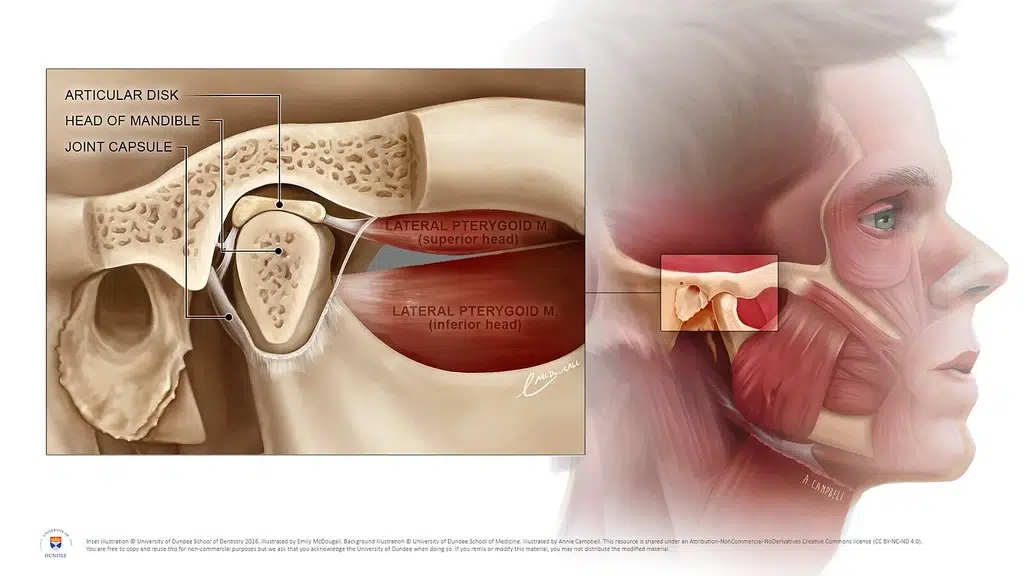
Temporomandibular Joint Disorder, more commonly known as TMJ, is a complex condition that affects the joint connecting your jawbone to your skull. With symptoms ranging from jaw pain and headaches to tinnitus and neck pain, TMJ can significantly impact your quality of life. However, getting treatment for TMJ can be a daunting task, mainly due to the confusion surrounding insurance coverage. In this article, we’ll explore how to get TMJ treatments covered by insurance, delving into the specifics of whether TMJ is covered by insurance, whether it falls under medical or dental, and the variations in TMJ coverage by state.
Understanding TMJ and the Need for Insurance Coverage
TMJ is a multifaceted disorder that can be attributed to various factors like arthritis, jaw dislocation, misaligned bite, or even an injury. Given its intricate nature and the lack of a one-size-fits-all treatment, it can be challenging to navigate through the medical insurance labyrinth.
TMJ disorder is often diagnosed by eliminating other potential causes for the symptoms, making it a complicated condition to prove to insurance companies.
A Medical or Dental Condition?
A pertinent question that often arises is whether TMJ is a medical or dental condition. This debate between dentists and doctors has significant implications for insurance coverage. While many dentists view TMJ as a medical issue, doctors often consider it primarily a dental problem. This confusion, coupled with the fact that TMJ is challenging to diagnose conclusively, often leads to insurance companies being reluctant to provide coverage.
Is TMJ Covered Under Insurance?
As we dive into the question of whether TMJ disorders are covered under insurance, it’s essential to realize that the answer isn’t straightforward. Some insurance providers do offer coverage for TMJ treatment, but the specifics can vary significantly based on your plan and location.
Medical or Dental Insurance?
One of the key factors that can influence your insurance coverage for TMJ is whether the treatment is covered under medical or dental insurance. While TMJ is more often treated by dentists, it’s sometimes can be covered by medical insurance. The discrepancy arises because most dental insurances do not provide coverage for TMJ.
However, don’t let this deter you. Even if your dental insurance doesn’t cover TMJ treatment, it’s worth checking with your medical insurance provider. A helpful tip would be to understand the specifics of your plan and read through the coverage literature they provide. This can give you a clearer idea of whether your insurance plan covers TMJ treatment or not.
What Treatments Can Be Covered by Insurance?
If you’re lucky enough to have insurance that can get TMJ treatment covered, you might be wondering what treatments are typically covered. While this can vary based on your plan and location, some treatments can include: bite splints and oral appliances, cold laser therapy, physical therapy, relaxation therapy and myofunctional therapy, acupuncture, non-opiate painkillers and non-steroidal anti-inflammatory drugs (NSAIDs), and certain surgical procedures like arthroplasty, joint replacement, tissue, and arthrocentesis.

Checking Your Coverage
Before you embark on any TMJ treatment, it can be beneficial to check with your insurer to understand if it will be covered. Here’s a step-by-step guide to help you navigate this process:
Identify Your Plan
Make sure you know the exact plan you have and read through the coverage literature they provide.
Get It in Writing
After discussing your case with the insurance company representative, ask them to send you an approval letter detailing the treatments covered.
Partnering with Comprehensive Family Dental
If you’re feeling overwhelmed with navigating TMJ treatment and insurance coverage, don’t worry – you’re not alone. At Comprehensive Family Dental, we’re here to help you understand your coverage and submit necessary claims to your carrier on your behalf. With our expertise and commitment, we make the process of figuring out if you have coverage for TMJ dental services less daunting.

In Conclusion
Getting TMJ insurance covered can be a complex process due to the unique nature of the disorder. However, with the right guidance and understanding of your insurance plan, it’s possible to navigate this process successfully. Remember, knowledge is power – the more informed you are about your insurance coverage and TMJ, the better equipped you’ll be to make the right decisions for your health.